The Quiet Valleys: Slow Living Across the Southern Alps
Escaping crowded passes to witness the resilience of pastoral heritage in the shadow of high peaks.
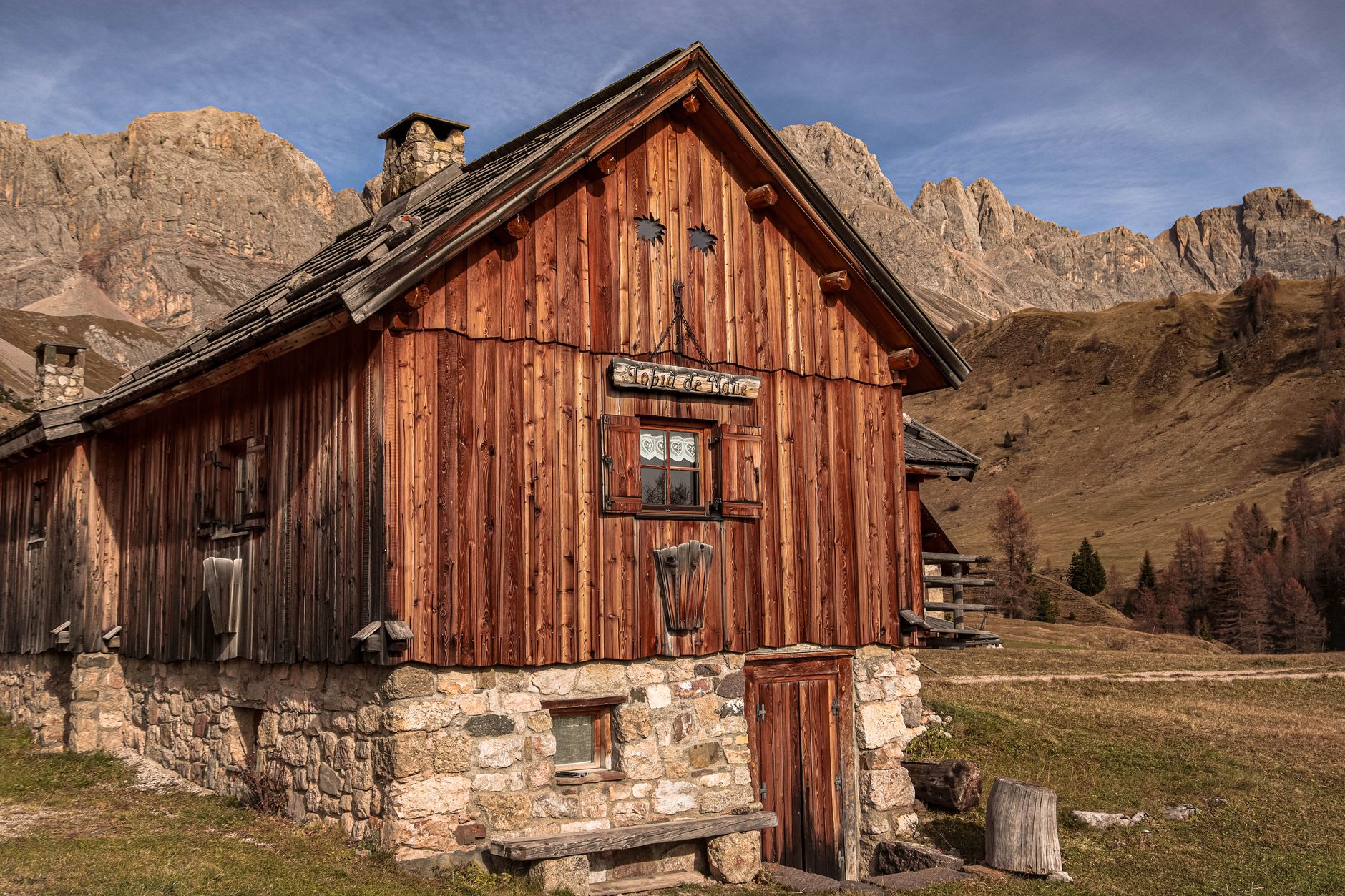
When morning fog rolls through the Val di Funes, it softens the granite ridges of the Odle into vaporous silhouettes. The high-altitude meadows are still wet with mountain dew, and the sound of iron bells echoes rhythmically across green gradients. Most visitors treat this region as a quick photo checkpoint, but lingering reveals an intricate rhythm unchanged for centuries.
The Heritage of the Maso
Throughout these valleys, rural survival was defined by the closed-farmstead tradition (the maso chiuso), ensuring land remained undivided across generations. This preservation prevented fragmentation, allowing multi-story timber houses to withstand bitter winters while maintaining communal forest reserves.
"A mountain valley must never be rushed. To know its paths, one must walk them when the bells chime at first light and when smoke curls from hearths at dusk."
Savoring Unhurried Hospitality
Staying at family-run gasthofs uncovers culinary lineages rooted in wild foraging. Mountain pine syrups, rye sourdoughs baked once every fortnight, and raw cow milk cheeses seasoned with caraway characterize evening meals. The conversation is measured, anchored by the weather forecast and the condition of the upper passes.
- Best Transit Period: Early September through mid-October for golden larch foliage.
- Footwear Requirement: Sturdy leather alpine boots with Vibram soles for scree stability.
- Local Courtesy: Greet passing wanderers with a respectful Grüß Gott on trail ascents.
As darkness falls and chimney wood scent settles over the creek, one understands why true travel requires patience. In these quiet valleys, silence is not an absence, but an overwhelming presence.